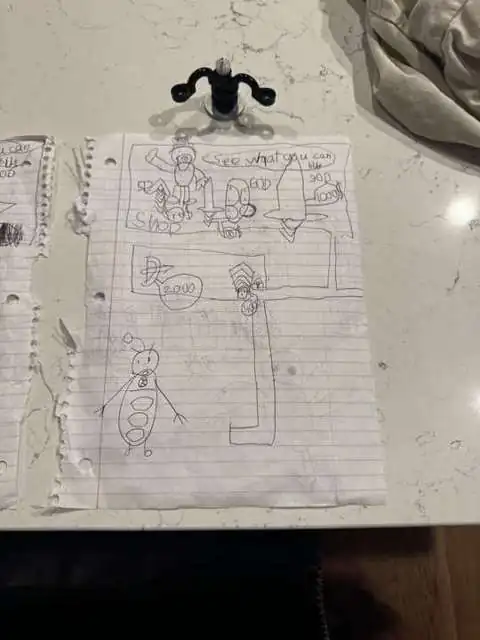
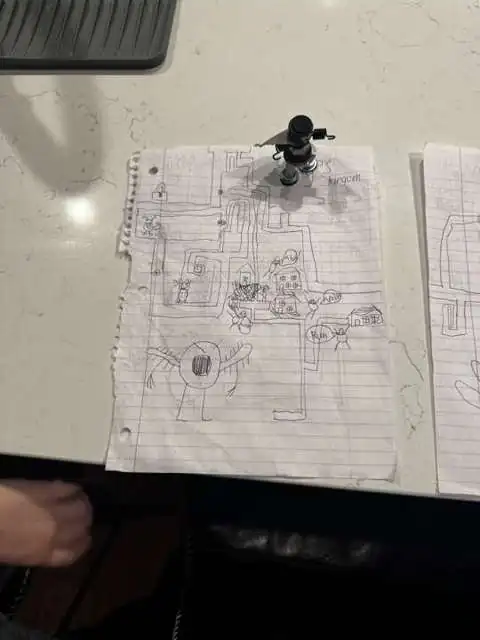
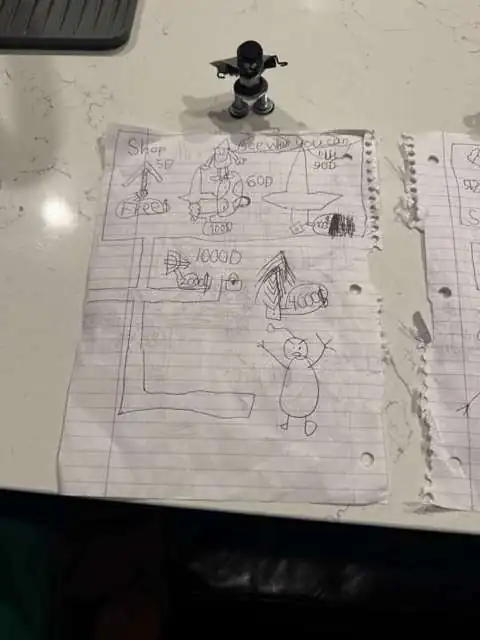
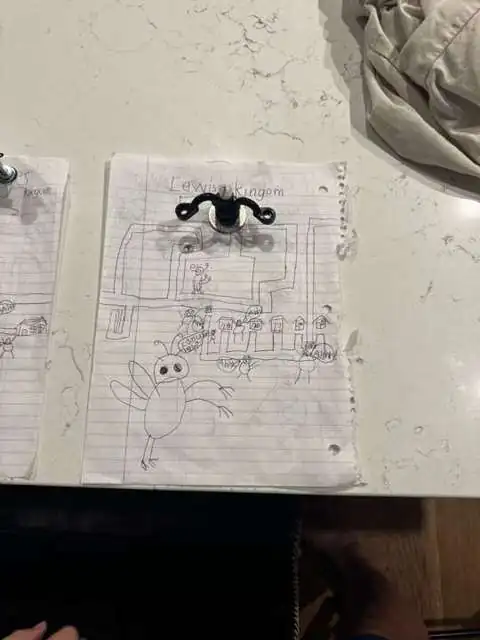
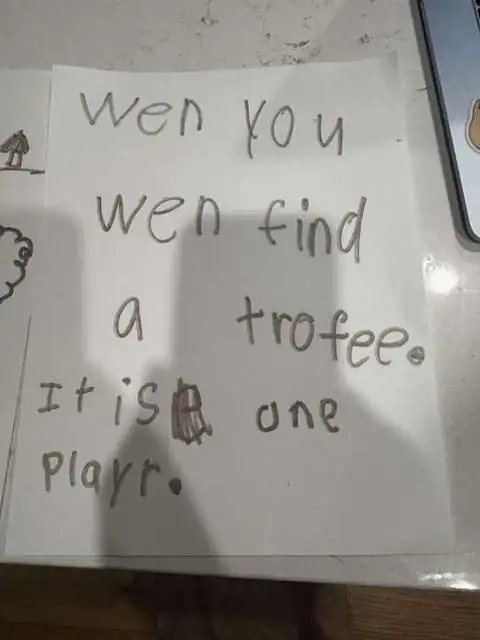
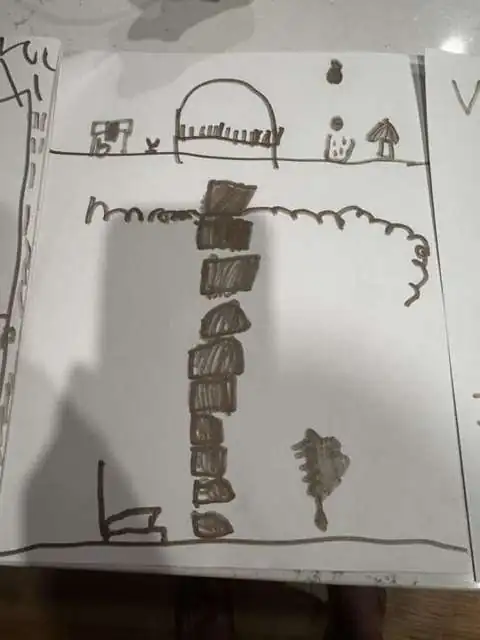
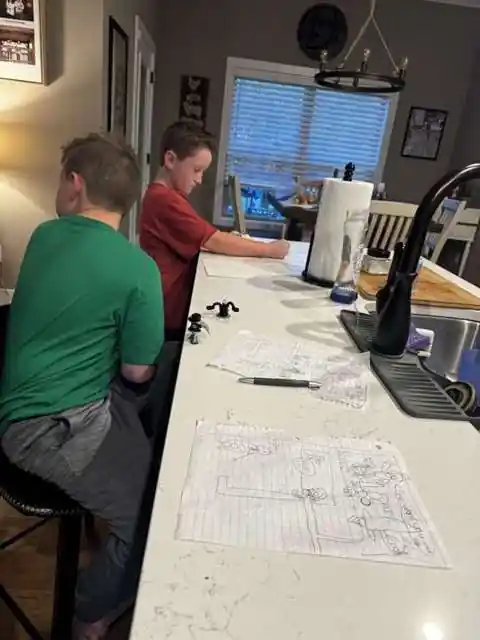
Lewis and Sullivan Murphy designed Battles and Ghostbusters on notebook paper at the kitchen counter. Their mom, Sarah, helped them turn spare nuts, bolts and springs from the toolbox into the characters. One request to AtlasGTM later, both games were live on the family iPad — with a scoreboard, analytics, and every game result captured as a submission.
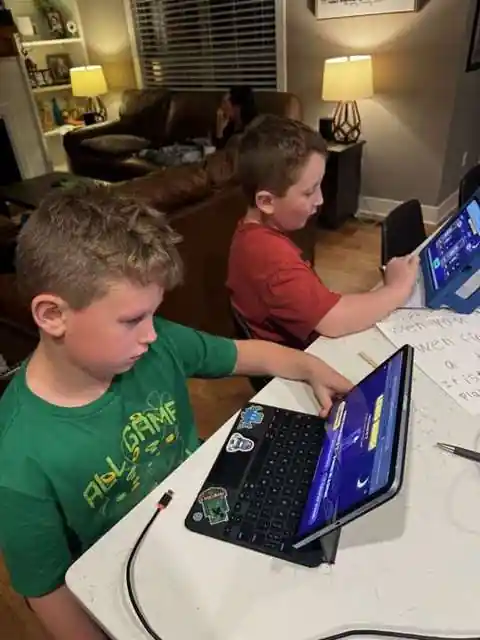
Justin plays Battles and Ghostbusters, then opens the AtlasGTM hub where the sites, their versions, and every game result live alongside the company's own surfaces.
No code was written by hand. The boys did the designing, Sarah did the building, and the AtlasGTM agent did the rest — inside the same governed workflow a sales team uses for customer pages.
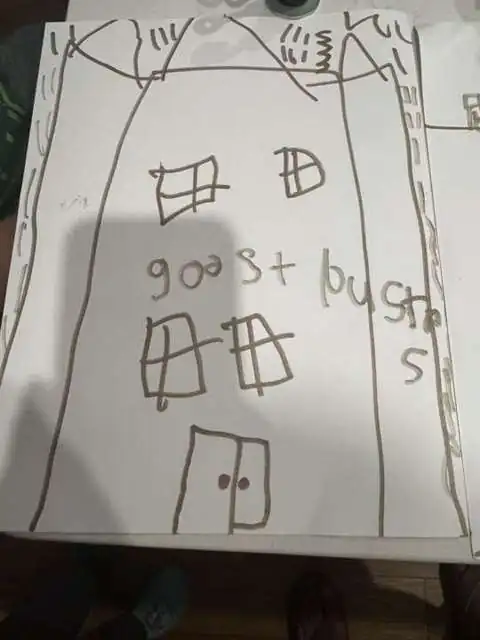
Sullivan drew a shop ("See what you can buy"): a free pickaxe, a sword, a bow, and a 4000-dollar tower. Then a kingdom maze with houses yelling "Ahh!" and robots on the march. Lewis drew a Ghostbusters tower with four windows, a rule card, and a family tower of stacked blocks.
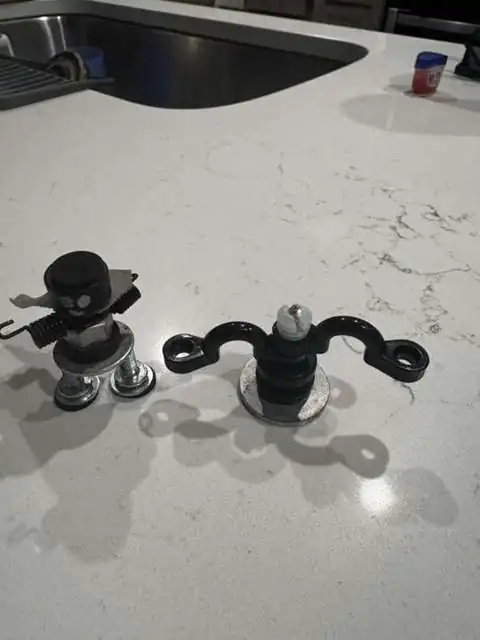
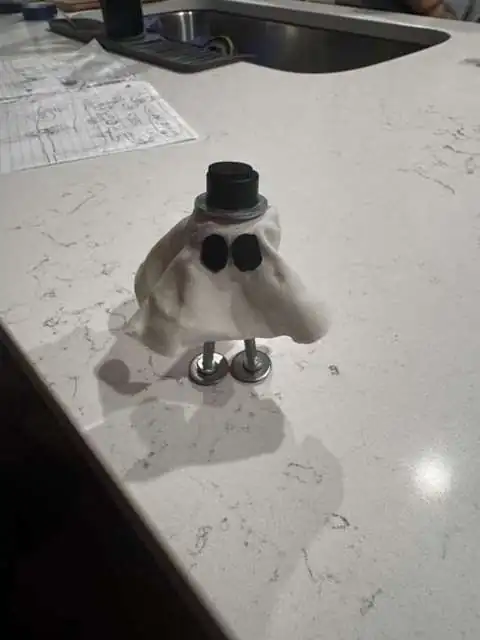
Sarah helped the boys build the figures from spare parts: Pieces (a bolt body with spring arms and a scarf), Long Arms (a pipe clamp with wings), and The Ghost (a rag with a washer for a hat). The animated game characters are drawn from those actual pieces.
Justin described each game in a sentence and attached the photos. The AtlasGTM agent read the specs, built the site, and shipped version after version: a family scoreboard, a 3D mansion to explore, difficulty tuned with a simulation. Every change was a draft until a human said "publish".
The games run on connect.atlasgtm.io. Every finished game is captured as a submission — player, hero, score, turns — so the family scoreboard sits in the same hub as a customer's demo requests, with first-party analytics on every tap.
Robots pour out of three portals and march on the village. Roll, move, fight: beat a robot by rolling its number or higher, collect its coins, buy a better weapon at the shop, and build the Tower before all four houses fall.
"When you win, find a trophy. It is one player."— Lewis Murphy's rule card for Ghostbusters. It became the trophy hunt at the end of every match.
A pass-and-play battle game. Pick The Ghost, Boltron or Clampo, choose a move, and tap when the line is in the green to land the hit. Win, then find the trophy hidden in the tower's windows. Every win adds a block to the family tower.
Sellers have ideas on napkins all day: a follow-up page after a call, a partner microsite, a page for a specific account. AtlasGTM turns the sketch into a governed, measured surface — the same way it turned these drawings into games.
Describe what you want in a sentence, attach what you have. The agent reads it, builds it, and iterates with you — no ticket, no hand-off.
Drafts, explicit publish confirmation, full run history. Nothing goes live until a person says yes — a secure, governed interface for AI agents, not unrestricted access.
Submissions, first-party analytics and conversions on every surface, in one hub. A game score and a demo request travel through the same plumbing.
See the platform, or tell us what's on your napkin. We'll show you how a GTM team ships governed, measured surfaces with AI agents.